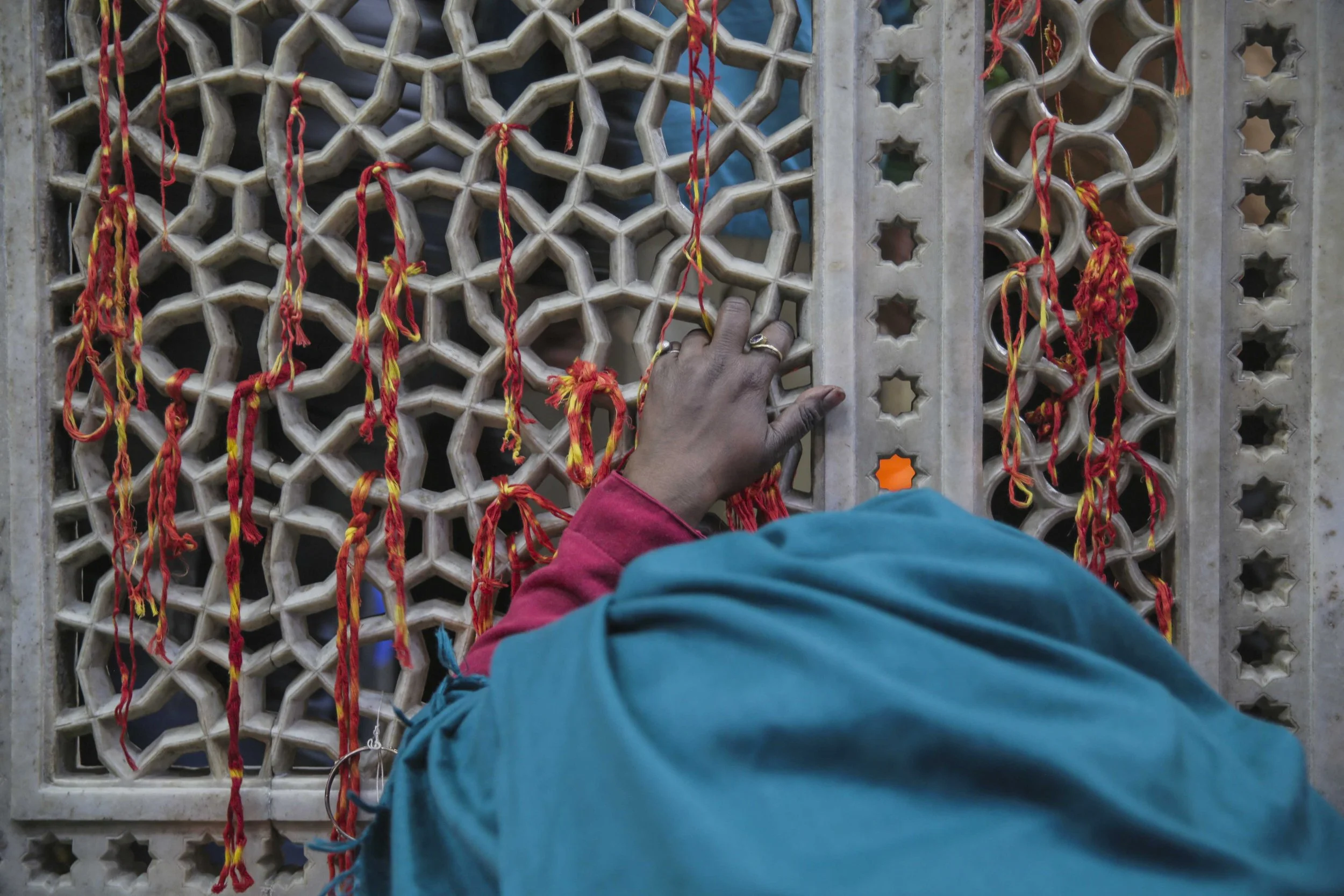
Into the Heart of Qawwali
‘It is music only which has beauty, power, charm, and at the same time can rise the soul beyond form.’
Hazrat Inayat Khan
Qawwali is the rendition of Sufi music in the Indian subcontinent, presently encompassing Pakistan and India. It is strongly associated with the Chisti Sufi order, and was largely popularised in the area by Amir Khusrau, sufi poet and musician (1253-1325).
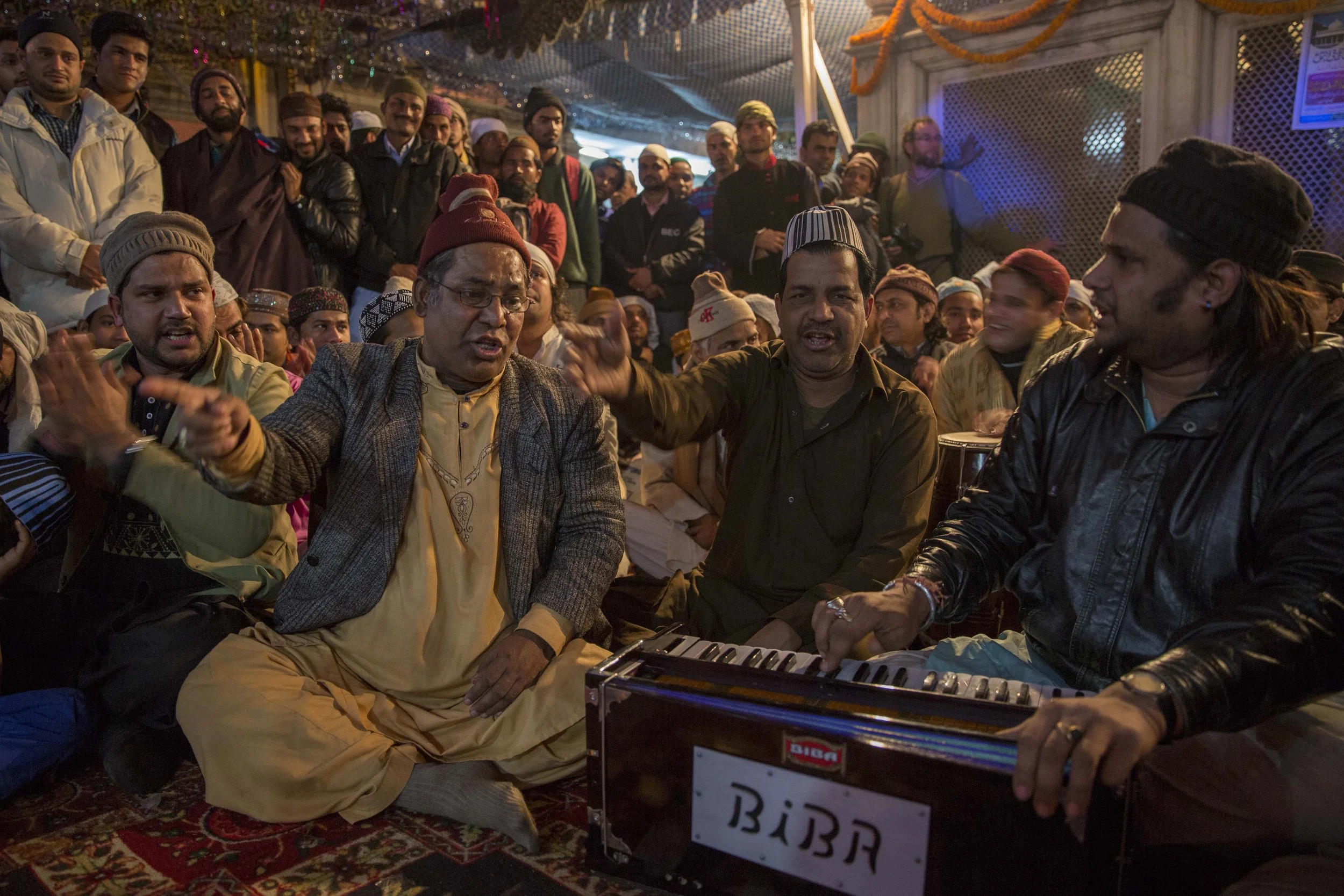
The formal name for a session of Qawwali is Mehfil-e-Sama, a ceremony that involves the practice of the dikr, and that takes place in different forms in all Sufi practices, usually involving music, singing, dancing, and recitation of prayers. In this context Qaul means ‘saying’ or ‘speech’, and the singer of this discourse in called Qawwal, ‘reciter’.
Into the Heart of Qawwali
In Northern India in Delhi and Ajmer, there are two important shrines (Dargah's) of Sufi saints that are central devotional places for Sufism, where people from all around India and neighbouring countries go to visit.
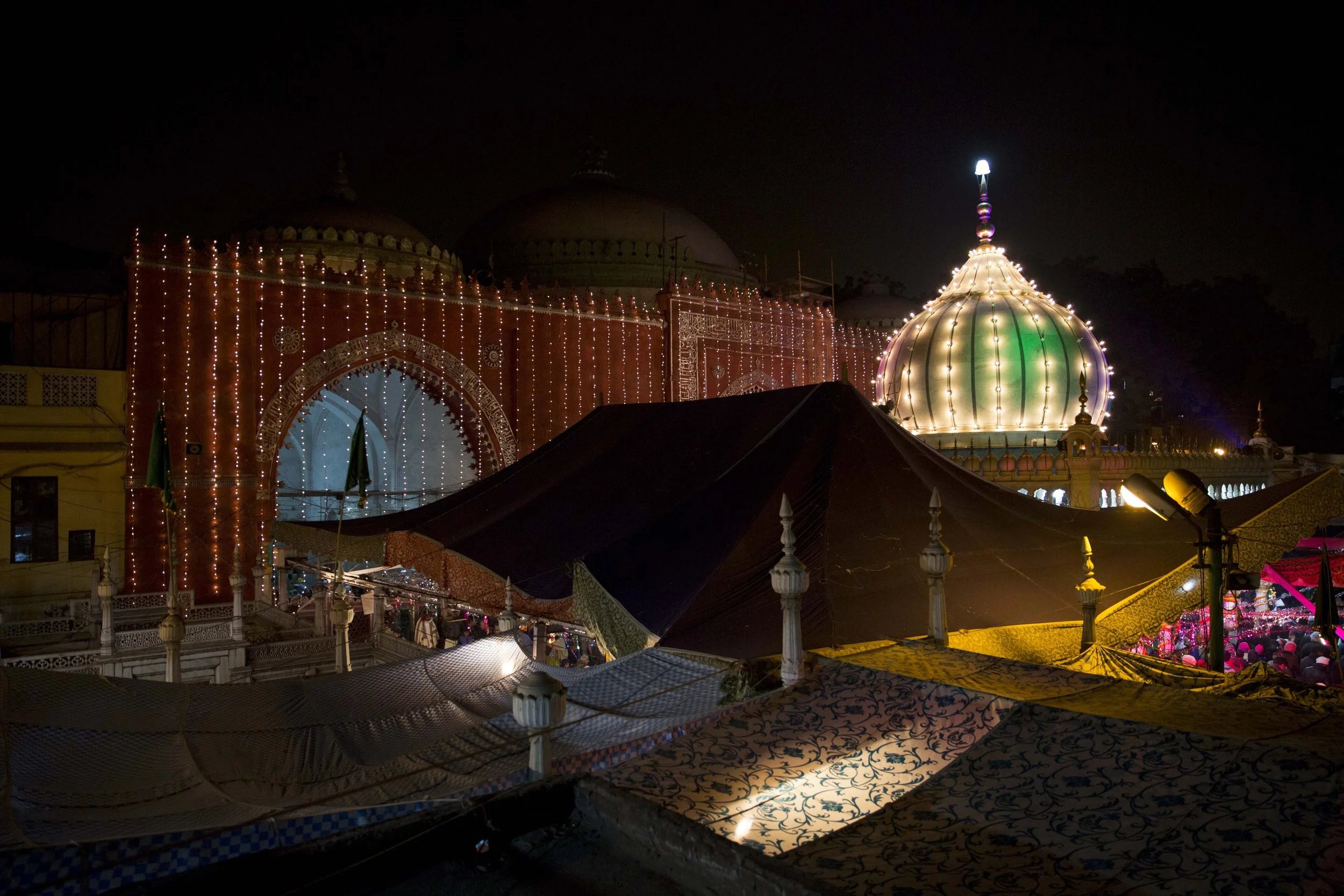
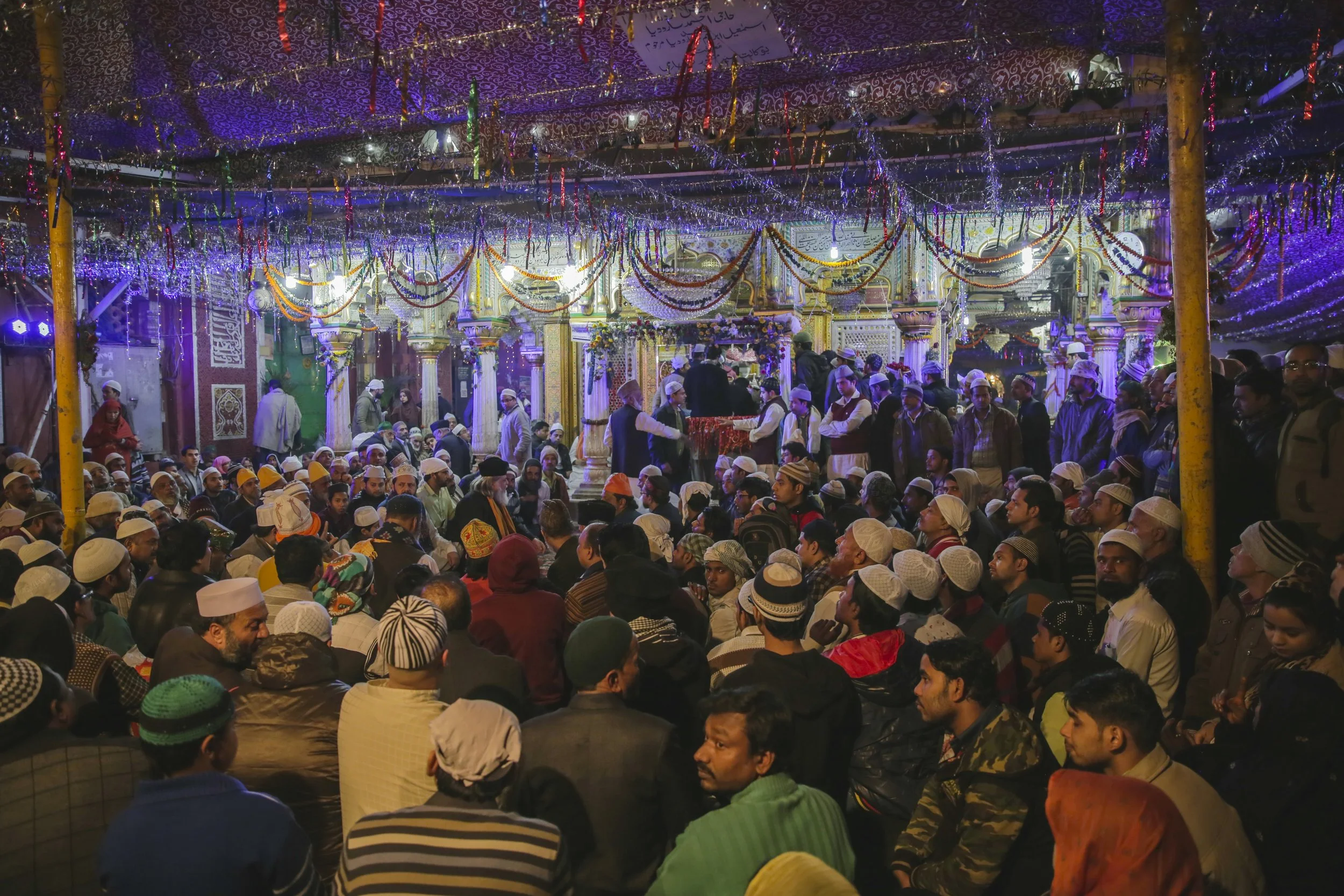

Everyone must leave their shoes at the door of the shrine.
Within the Nizamuddin Dargah in Delhi there is also the Amir Khusrow shrine - a disciple of Nizamuddin, a poet, musician and Sufi mystic that is known and respected for many as the father of Qawwali.
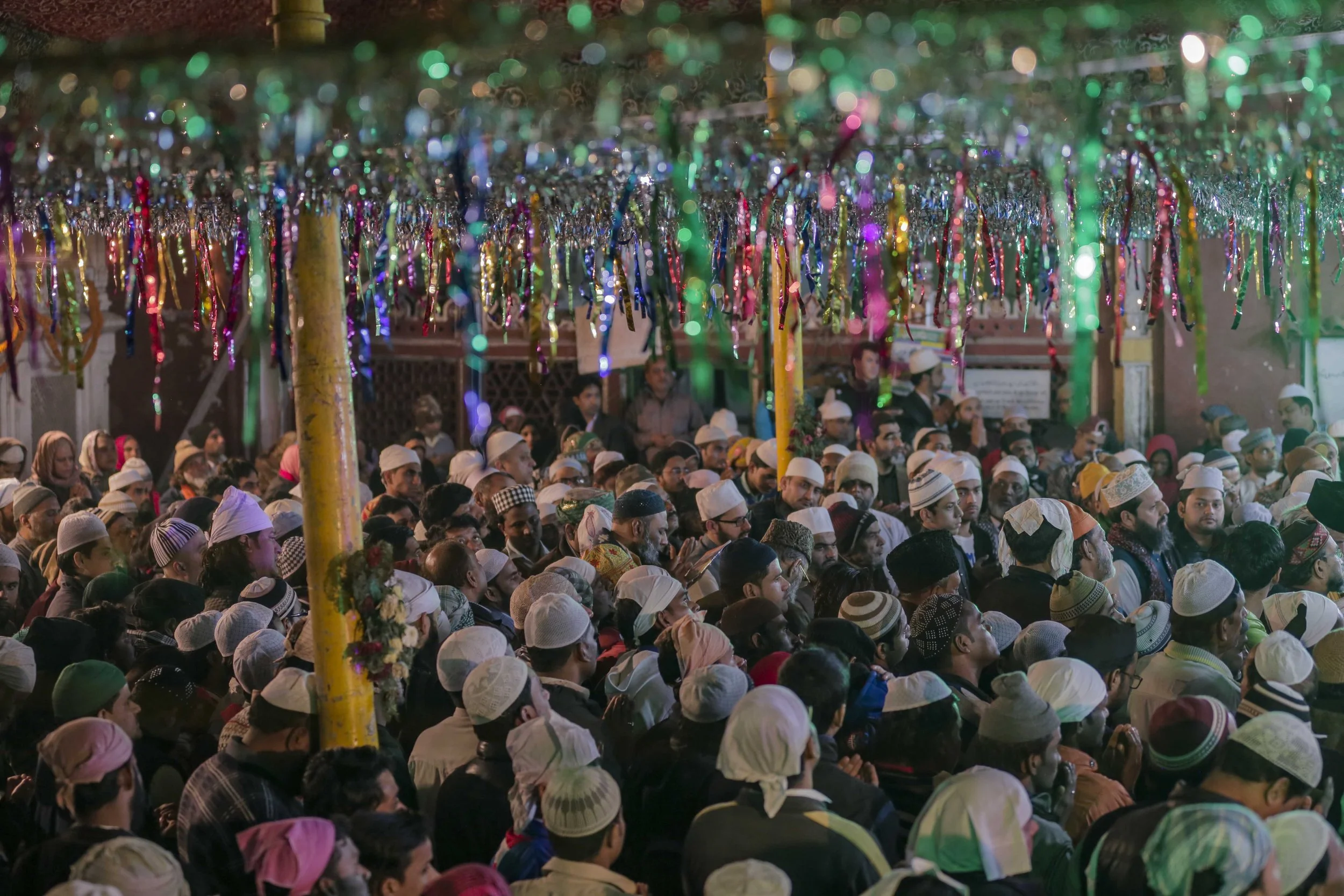
What is most striking about Qawwali performances is the powerful relationship and intimate communication established between musicians and their audiences. Through music, poetry and song the musician’s purpose is to arouse listeners to a state of mystical ecstasy, becoming a conduit between this reality and the divine.
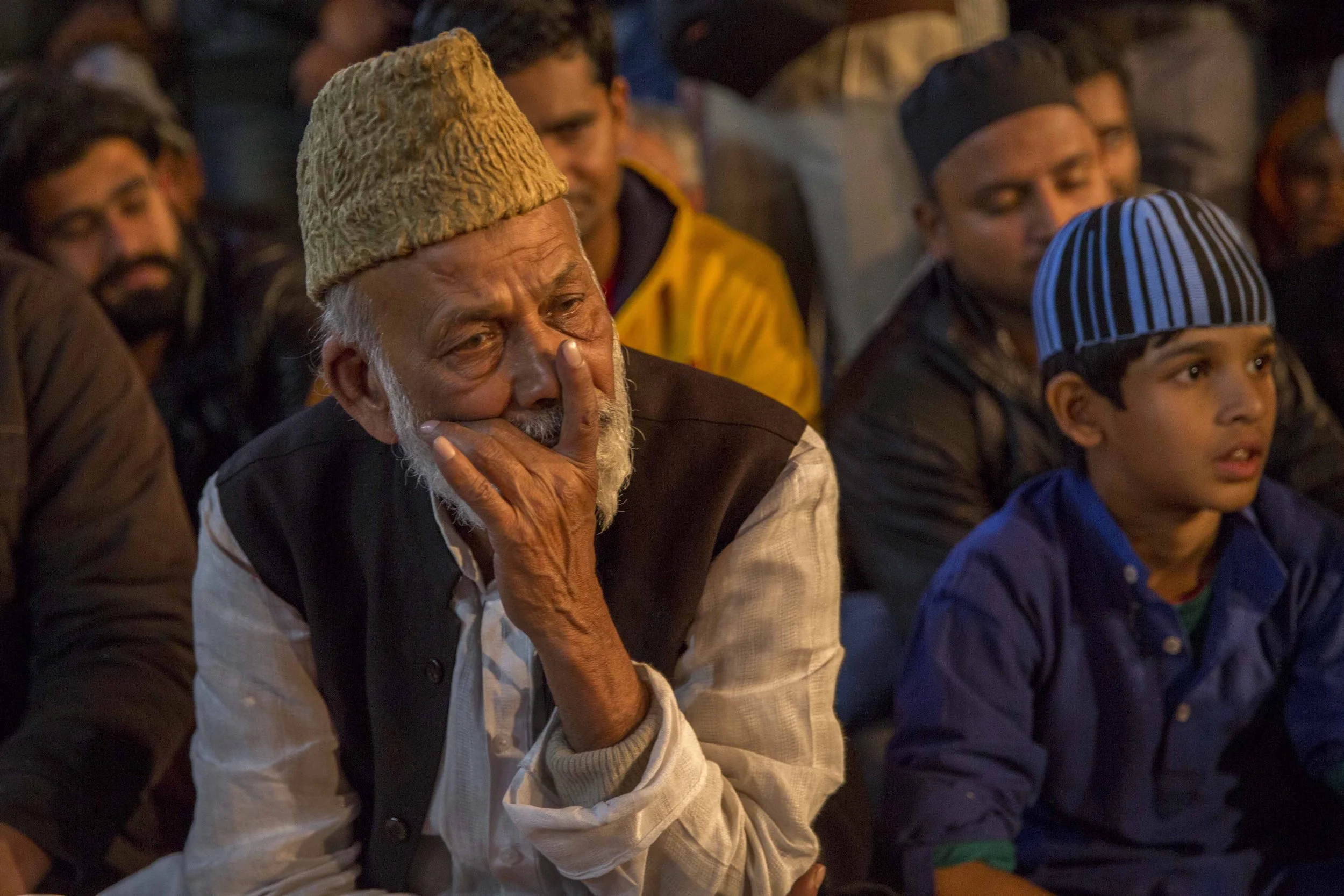
It is perhaps natural that music can play such an important role in the mystical journey and in the connection to a greater being. Many religions and spiritual practices use music as a way to connect people to a spiritual realm in a manner that religious dogma can never hope to achieve. For almost 800 hundred years, through the exercise of ‘Sama’ (listening) Sufis around the world have used sound and music as a tool to deepen this relationship between man and the Divine.